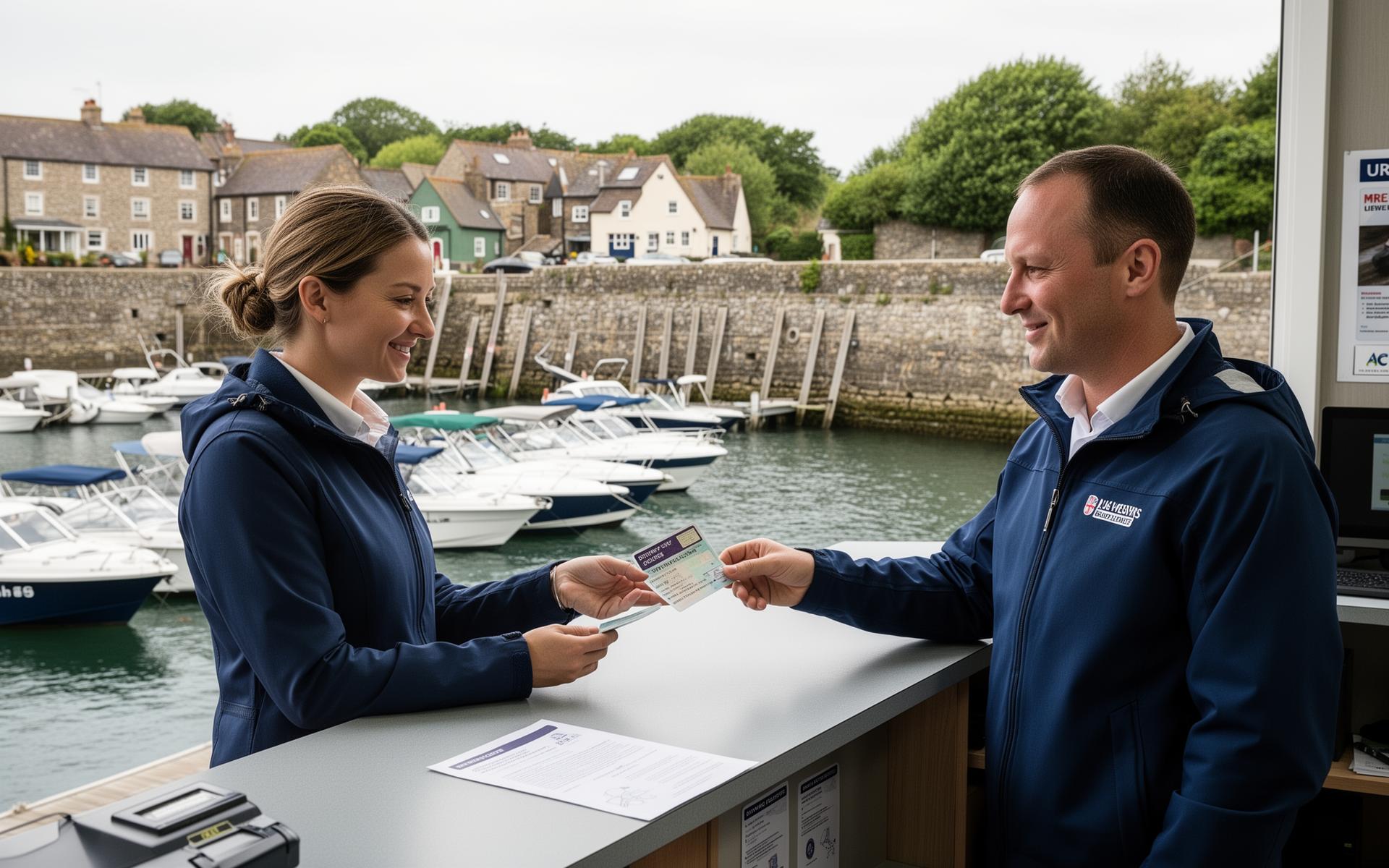
Automated Fuel Surcharge Calculation for Motor Boat Hire: A UK Operator’s Guide
For UK motor boat hire operators, fuel is one of the most volatile overheads. Whether you are running a fleet of day boats on the Norfolk Broads, luxury cruisers on the Thames, or self-drive rib hires on the South Coast, managing fuel costs can be a logistical headache. Traditionally, operators have relied on manual calculations, estimated engine hours, or flat-rate fees that either leave the customer feeling overcharged or the business owner absorbing the loss.
Transitioning to an automated fuel surcharge calculation for motor boat hire is no longer a luxury; it is a necessity for maintaining healthy margins. This guide explores how digital systems can automate this process, ensuring accuracy, transparency, and improved cash flow for your marine business.
The Problem with Manual Fuel Tracking in Boat Hire
Manual fuel tracking is fraught with human error. In a busy boatyard during peak season, staff often forget to record engine hours or fuel levels during the handover and return process. This leads to three primary issues for UK operators:
1. Margin Erosion
With red diesel and petrol prices fluctuating at UK marinas, a flat-rate fuel fee can quickly become insufficient. If your pricing doesn't reflect the actual consumption of a group that spent five hours cruising versus a group that stayed moored, you are losing money on every booking.
2. Customer Disputes
Nothing ruins a post-holiday glow like an unexpected, high fuel bill. When charges are calculated on the back of an envelope or based on a staff member's "best guess," customers often feel slighted. Transparency is the key to maintaining a high Trustpilot rating.
3. Administrative Burden
Manually calculating fuel usage across a fleet of 10 or 20 boats takes hours of staff time every week. This time could be better spent on winter boat maintenance tracking or providing high-quality safety briefings.
How Automated Fuel Surcharges Work
Modern boat hire management software UK introduces a structured, digital approach to fuel management. Instead of paper logs, the system integrates data from the checkout and check-in process to generate an instant, accurate invoice.
Engine Hour Integration
One of the most common methods for automated fuel surcharge calculation for motor boat hire is tracking engine hours. Upon return, the staff member enters the current engine hour reading into the automated boat hire handover checklist software. The system then compares this to the start reading and multiplies the difference by a pre-set hourly fuel rate.
Tank Level Percentages
For day boats where engine hours might be less relevant than total consumption, systems allow for fuel level recording (e.g., 8/8 full, 3/4 full). The software automatically calculates the cost to refill based on current fuel prices, ensuring the operator is never out of pocket.
Protecting Your Business Against Fuel Price Volatility
Fuel prices in the UK can change weekly. A static surcharge is a risk to your business. Automated systems allow you to update your "Price per Litre" or "Price per Engine Hour" in a central dashboard.
Once updated, the new rate applies to all subsequent check-ins, regardless of when the booking was made. This agility ensures that your boat hire pricing remains sustainable even during energy crises or supply chain disruptions.
Worked example: The Thames Cruiser Fleet
An illustration, not a customer story — PayCamp Hire is new and has no case studies to publish yet.
Boats working against a strong current burn more fuel than the same trip on slack water, and a flat-rate fee cannot see the difference. An automated engine-hour calculation can, because it bills what the engine actually did rather than what the price list assumed.
Transparency and Customer Trust
When using automated fuel surcharge calculation for motor boat hire, the data is presented clearly on the final digital receipt. Customers can see the exact start and end readings, the rate applied, and the total cost.
Digital Sign-off
Because the fuel readings are integrated into the digital safety waivers and return checklists, the customer signs off on the data on a tablet at the jetty. This creates a legally reliable audit trail, significantly reducing the likelihood of credit card chargebacks.
Integration with Security Deposits
Managing fuel is inextricably linked to managing deposits. A smart system doesn't just calculate the fuel; it deducts it.
Automated Deductions
With boat hire security deposit management automation, the system can calculate the fuel surcharge upon return and automatically deduct it from the pre-authorised deposit on the customer's card. This removes the friction of asking the customer to pull out their wallet at the end of their trip, creating a much smoother "exit experience."
Future-Proofing for Electric Fleets
As the UK moves towards more sustainable waterways, some operators are introducing electric motor boats. While "fuel" surcharges might disappear, "charging" surcharges or usage-based fees for battery wear-and-tear are becoming more common.
An automated system designed for motor boats is easily adaptable to electric boat charger scheduling. You can bill based on kWh used or percentage of battery depleted, ensuring you cover the rising electricity costs at your moorings.
Key Takeaways
- Accuracy: Eliminate manual calculation errors and "rounding down" by staff.
- Profitability: Ensure fuel price spikes don't eat into your hire margins.
- Efficiency: Automate the deduction of fuel costs from security deposits.
- Customer Experience: Provide clear, professional digital receipts showing exact usage.
- Compliance: Maintain a clear audit trail for VAT and fuel tax purposes.
Implementation: Setting Up Your System
Getting started with automated fuel tracking is straightforward. In your pricing settings, you simply define the fuel metric for each boat class. Whether it is a fixed hourly rate for a diesel day boat or a percentage-based charge for a small outboard, the system does the heavy lifting.
If you are looking to modernise your operations and stop guest-imating your most significant variable cost, it is time to switch to a dedicated boat hire booking system like PayCamp Hire.
Interested in learning more about how we help UK operators stay profitable? Contact us today to find out how we can tailor our platform to your fleet's specific needs.
Frequently Asked Questions
Can I set different fuel rates for different boats in my fleet?
Yes. With PayCamp Hire, you can specify fuel calculation methods and rates for each boat category. For example, your diesel-powered cruisers can be billed by engine hour, while your small petrol motor boats can be billed by the litre or a flat percentage of the tank.
How do customers see what they are being charged for fuel?
Transparency is built into the workflow. The fuel readings are entered at the point of return on a mobile device or tablet. These readings are then automatically included in the digital receipt emailed to the customer immediately after the hire ends.
Does the software handle VAT on fuel surcharges?
Yes, the system is designed for the UK market. You can set the appropriate VAT rates for your fuel surcharges, ensuring your accounting exports to systems like Xero or QuickBooks are accurate and compliant with HMRC requirements.
Can I update fuel prices mid-season?
Absolutely. In the dashboard, you can update your fuel rate in seconds. This will immediately apply to any boat returned from that moment onwards, allowing you to react quickly to changes at the marina fuel dock.
What happens if the customer disputes the fuel reading?
Because the reading is captured as part of the Hire Boat Code compliance return checklist, you have a time-stamped, signed record of the engine hours or fuel levels. This provides a reliable defence against any disputes or chargebacks.
Tags
Published by
The PayCamp Hire Team
Sharing insights on boat hire operations, fleet management, and growing water sports businesses. Have questions? We'd love to chat.