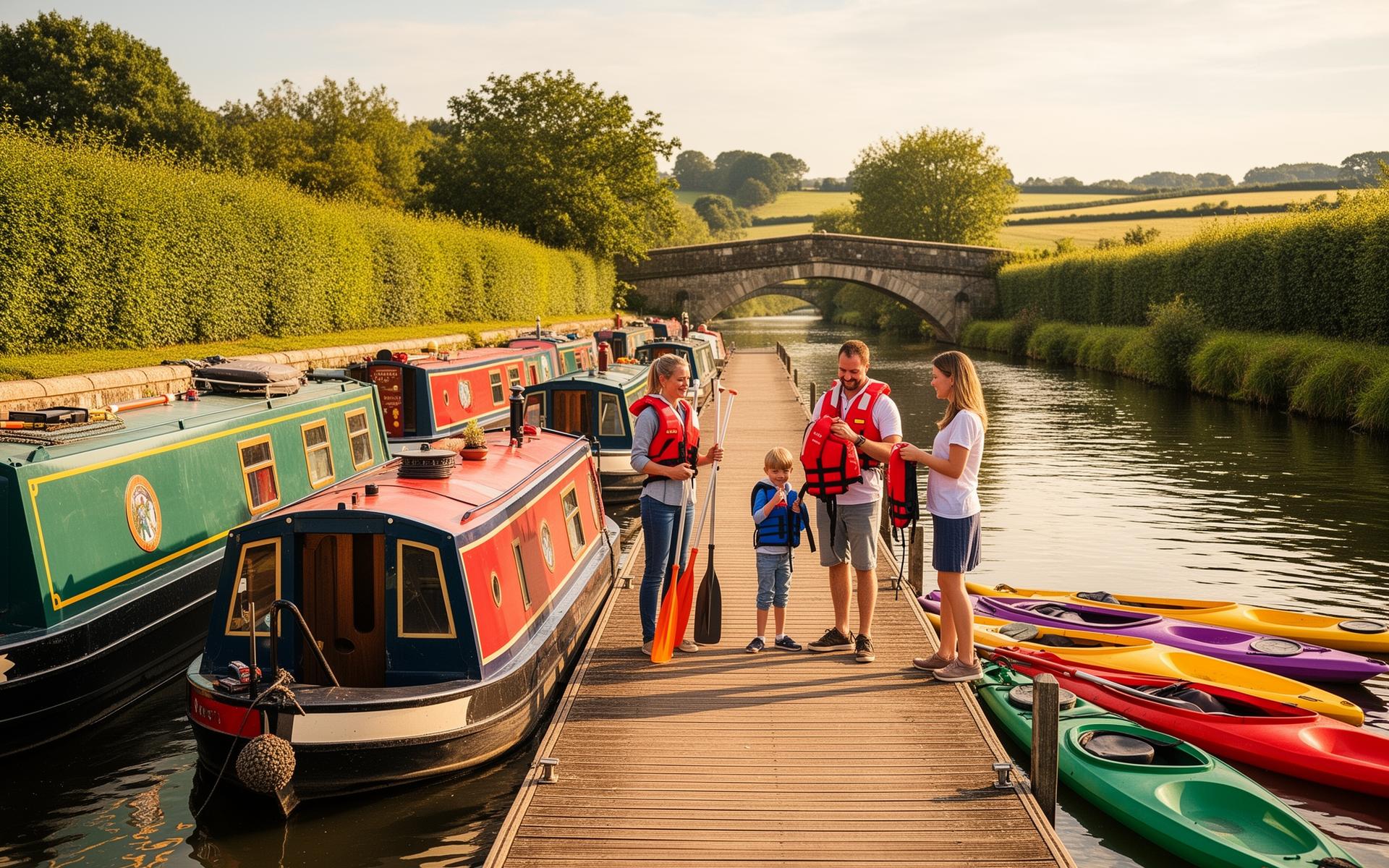
Operating a commercial boat hire fleet in the UK comes with a unique set of maintenance challenges. Whether you are managing a fleet of nimble fiberglass day boats on the Norfolk Broads or heavy-duty steel narrowboats on the Grand Union Canal, protecting your assets is paramount. Traditional paper-based checklists are no longer sufficient in an era where insurance premiums are rising and customer expectations for boat condition are higher than ever.
Transitioning to a digital damage inspection app for fiberglass and narrowboat hire is more than just a technological upgrade; it is a fundamental shift in how you protect your bottom line, manage your staff, and provide evidence for insurance claims. In this guide, we explore how UK operators can automate their inspection processes to ensure every dent, scratch, or mechanical fault is documented with precision.
The Real Cost of Paper-Based Inspections
Many UK hire operators still rely on clipboards and carbon-copy forms. While this might feel familiar, it creates significant gaps in your business operations. Paper forms are easily lost, damaged by water, or filled out illegibly by seasonal staff. More importantly, they lack the one thing that settles disputes instantly: high-resolution photographic evidence.
Without a digital audit trail, proving that a specific gouge in a fiberglass hull or a bent fender on a narrowboat occurred during a specific hire period becomes a case of "your word against theirs." This often leads to operators waiving repair costs to avoid negative reviews, which directly eats into annual profits.
Challenges for Fiberglass Day Boats
Fiberglass (GRP) is lightweight and efficient, but it is prone to gelcoat chips, spider cracks, and structural damage if docked poorly. These issues are often small and easily missed during a hurried handover. A dedicated inspection app ensures that staff are prompted to check common impact zones—like the bow and quarters—before the boat leaves the mooring.
Challenges for Narrowboat Operators
Steel narrowboats are built to take a beating, but they aren't invincible. Lock damage, blacking scrapes, and internal inventory loss (like windlasses or mooring pins) are common. Tracking the condition of a narrowboat over a week-long hire requires a reliable system that can handle multi-point inspections across both the exterior hull and the complex domestic systems inside the cabin.
Why Your Business Needs a Damage Inspection App
A digital solution provides a centralised features suite that connects your check-out process directly to your booking system. This ensures that the data isn't just sitting in a file cabinet but is actively protecting your business.
High-Resolution Photo Evidence
An app allows staff to take time-stamped photos of the hull, engine bay, and interior before and after every hire. For fiberglass boats, this includes close-ups of the gelcoat. For narrowboats, this might include the prop-shaft (to ensure no fouling) and the rudder assembly. This visual record is indisputable in the event of a damage claim.
Automated Comparison Reports
PayCamp Hire’s inspection tools allow you to compare the 'Pre-Hire' report with the 'Post-Hire' report side-by-side. If a new scratch appears on the port side of a narrowboat, the system highlights the discrepancy, allowing you to address it with the customer before they leave the site.
Integration with Security Deposits
When damage is identified, the app should ideally link to your boat hire payment software. This allows for the immediate hold or partial capture of a security deposit. Automating this link reduces the awkwardness of manual charging and ensures you have the funds required for repairs before the customer disappears.
Standardising Handover Procedures for Seasonal Staff
UK boat hire is a seasonal business, often relying on students or temporary workers during the peak summer months. Training these staff members to spot subtle damage can be difficult. A damage inspection app for fiberglass and narrowboat hire acts as a digital training manual.
Guided Walkthroughs
Rather than a vague "check the boat" instruction, an app provides a step-by-step checklist. Staff cannot complete the check-out until they have ticked off specific items, such as:
- Checking the weed hatch is secure (Narrowboats)
- Confirming life jackets are present and dry
- Inspecting the outboard propeller for dings (Fiberglass)
- Noting existing hull scrapes to avoid double-charging
Real-Time Uploads to the Cloud
As soon as a staff member finishes an inspection on a tablet or smartphone, the data is uploaded to your fleet management software. Managers can monitor the status of the entire fleet from the office, knowing exactly which boats are ready for the next customer and which require maintenance.
Protecting Your Insurance Posture
Insurance for UK boat hire is becoming increasingly stringent. Underwriters are looking for evidence of proactive risk management. Having a comprehensive digital history of every inspection for every boat in your fleet makes you a lower-risk client.
Building a Maintenance History
In the event of a major structural failure or an accident involving a third party, your digital records serve as proof that the vessel was in a seaworthy condition at the start of the hire. This is particularly vital for Hire Boat Code compliance, which requires rigorous record-keeping regarding vessel handovers and safety equipment checks.
Faster Claims Processing
When you do need to make a claim, providing your insurer with a professional PDF export containing time-stamped photos and signed digital waivers speeds up the process significantly. It removes the ambiguity that often leads to claim denials.
Enhancing Customer Trust with Transparency
Customers are often nervous about security deposits, especially when hiring expensive assets like narrowboats. A digital inspection process actually builds trust by showing the customer that you are professional and fair.
The "No-Surprise" Policy
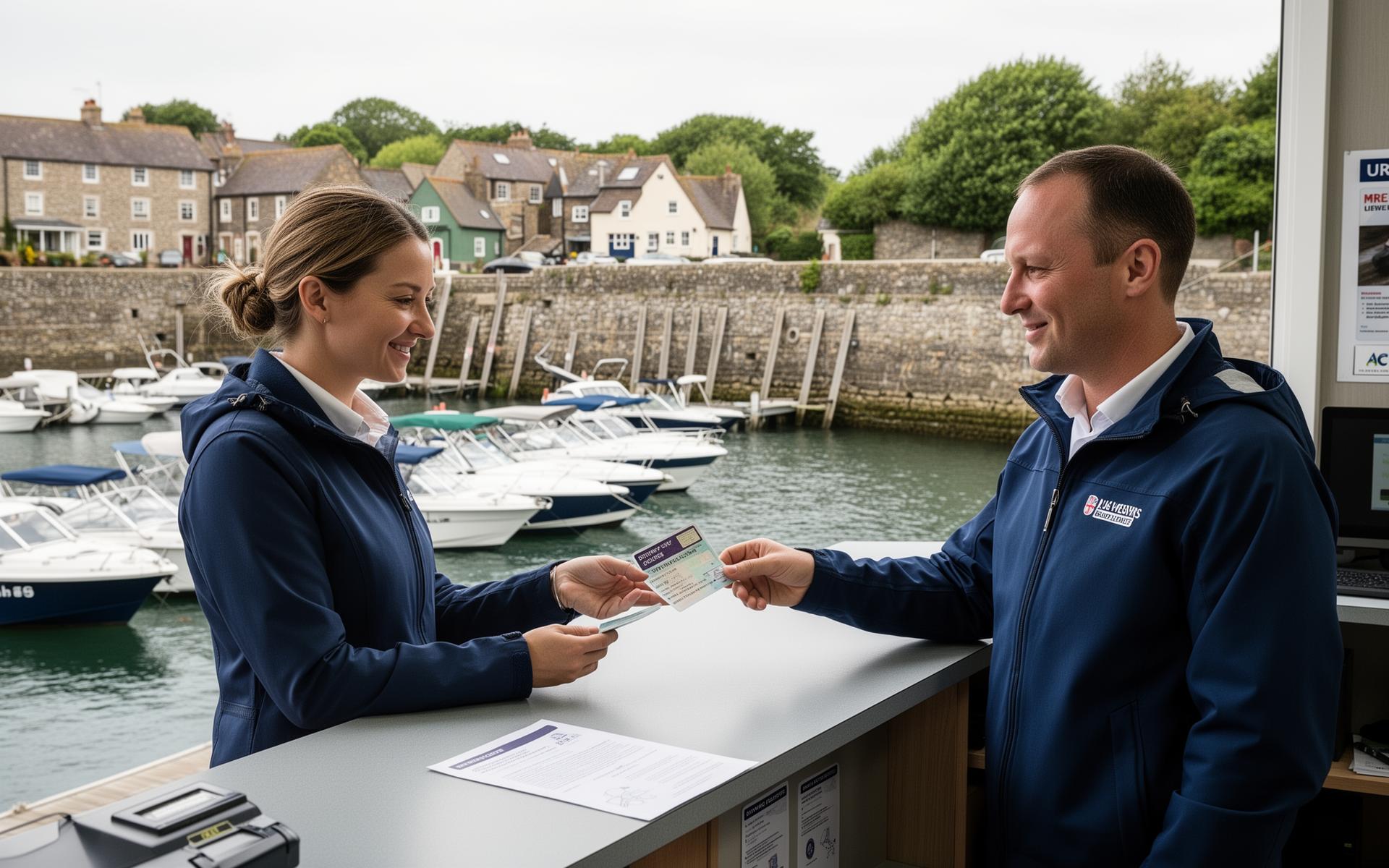
By involving the customer in the digital walkthrough—perhaps even having them sign the inspection report on the screen—you establish a clear baseline. They see the existing scratches you’ve already noted, which reassures them that they won't be blamed for old damage.
Professional PDF Receipts
Once the inspection is complete, PayCamp Hire can automatically email a copy of the report to the customer. That transparency removes the usual argument about what was already damaged before the hire started. Customers appreciate knowing exactly where they stand from the moment they step onto the jetty.
Summary: Why PayCamp Hire is the Solution
PayCamp Hire isn't just a booking engine; it is a comprehensive management ecosystem designed specifically for the UK marine industry. Our fleet management tools are built to handle the rigours of the British waterways, from saltwater coastal environments to the silty canals of the Midlands.
Integrating a damage inspection app for fiberglass and narrowboat hire into your daily workflow ensures that your assets are protected, your staff are efficient, and your customers are satisfied. With rising costs across the board, stopping 'leakage' from undocumented boat damage is one of the fastest ways to increase your annual profit.
Key Takeaways
- Eliminate Disputes: Digital photos provide indisputable evidence of boat condition pre- and post-hire.
- Standardise Operations: Ensure seasonal staff never miss a critical safety or maintenance check.
- Protect Assets: Catch small fiberglass chips or narrowboat scrapes before they become major repair bills.
- Insurance Ready: Maintain a professional audit trail that satisfies UK insurers and the Hire Boat Code.
- Integrate Everything: Connect inspections directly to pricing and security deposit management.
Frequently Asked Questions
Can the app work offline if I have poor Wi-Fi on the jetty?
Yes. Many UK mooring locations have 'dead zones.' A professional inspection app should allow staff to complete the inspection and take photos offline, automatically syncing the data to the cloud once they return to the office Wi-Fi or a stronger 4G/5G signal.
Does this replace the need for a physical handover?
No, it enhances it. You should still walk the customer through the boat's controls. However, the app ensures that the 'condition' aspect of the handover is recorded accurately while you are performing the verbal briefing.
How does the app handle existing 'wear and tear' vs. new damage?
When you set up your fleet in the app, you can create a 'master condition report' for each boat. When staff perform a check, they can see previously reported minor damage that has been marked as 'acceptable wear' or 'pending repair,' so they don't flag the same old scratch twice.
Is the digital signature legally binding in the UK?
Yes. Digital signatures captured through professional platforms like PayCamp Hire are legally recognised in the UK. When combined with time-stamped photos, they provide a reliable defence in small claims situations or insurance disputes.
Can I customise the checklist for different boat types?
Absolutely. You can create different templates for your fiberglass fleet and your narrowboat fleet. Narrowboat checklists might include things like 'central heating check' or 'inverter status,' whereas a fiberglass day boat might focus more on 'outboard tilt' and 'fendering.'
How much does it cost to implement?
Some operators find that the system pays for itself by catching just one or two instances of undocumented damage per season. For detailed information on our plans, please visit our pricing page or contact our team for a bespoke quote.
Ready to upgrade your operations? Contact us today to learn more about how PayCamp Hire can transform your boat hire business.
Published by
The PayCamp Hire Team
Sharing insights on boat hire operations, fleet management, and growing water sports businesses. Have questions? We'd love to chat.