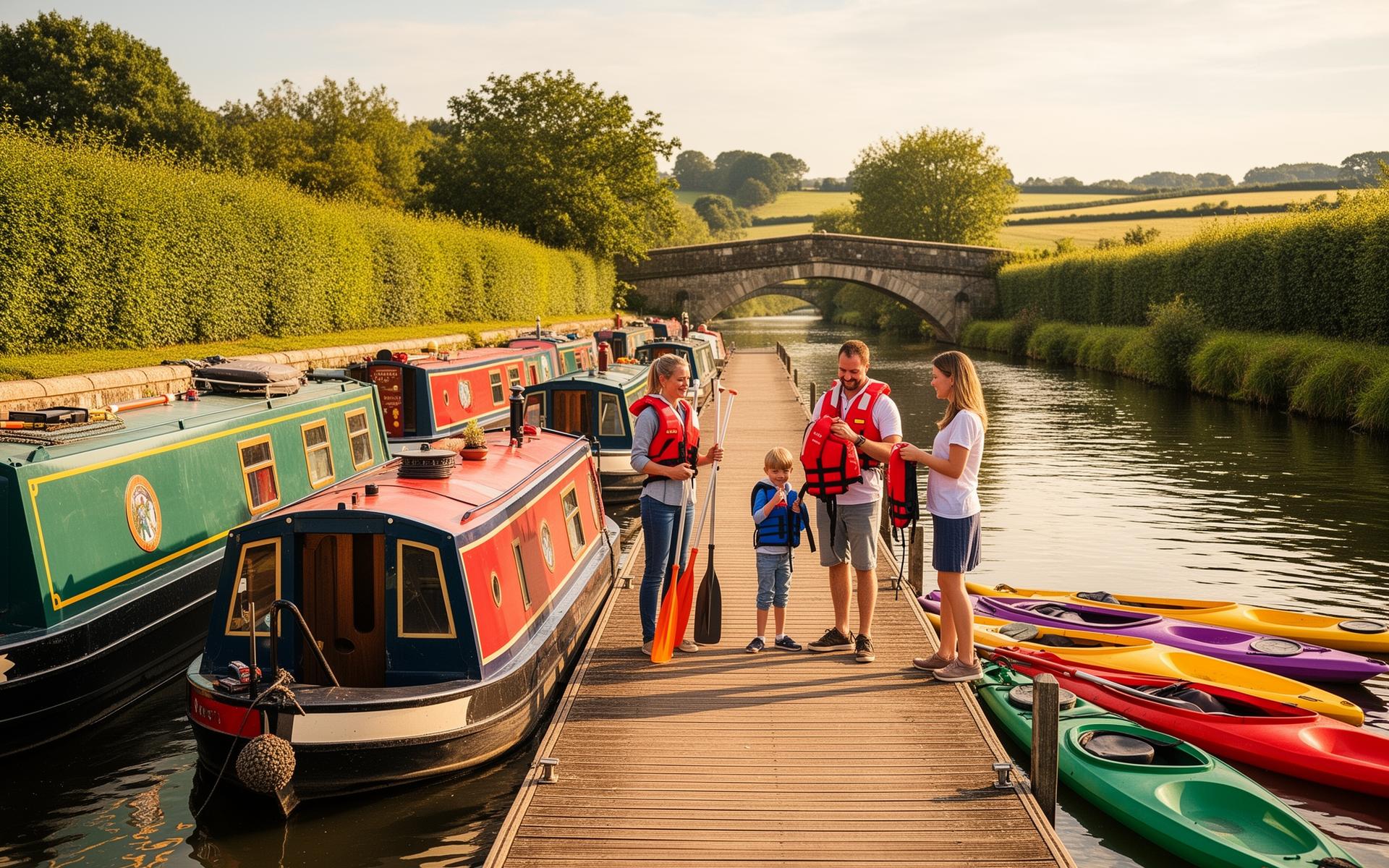
Your fleet is your business. Every kayak, SUP, narrowboat, and pedalo represents revenue potential — but only when it's safe, functional, and available for hire.
The tension between maintenance and availability is constant. Every hour a craft spends being serviced is an hour it can't earn money. But skip maintenance and you risk safety incidents, insurance invalidation, and regulatory problems.
The solution isn't to choose between safety and revenue — it's to schedule maintenance intelligently.
The Cost of Poor Maintenance Planning
Without a structured maintenance schedule, one of two things happens:
Scenario A: Reactive maintenance. You only fix things when they break. A kayak develops a slow leak. A SUP's fin falls off mid-session. A narrowboat's engine won't start on a busy Saturday. Each breakdown costs you the booking, the customer's goodwill, and often more in emergency repairs than planned servicing would have cost.
Scenario B: Over-maintenance. You pull craft out of service "just to be safe" on your busiest days. Your fleet utilisation drops. Revenue falls. You're spending money on maintenance you don't need at times you can't afford.
Building a Maintenance Calendar
Every craft type has different maintenance requirements:
Daily Checks (Pre-Opening)
- Visual hull inspection
- Safety equipment present (buoyancy aids, throw lines)
- Paddle/oar condition
- Seating and foot pegs secure
Weekly Maintenance
- Thorough hull cleaning
- Hardware inspection (handles, drain plugs, rudders)
- Buoyancy aid inspection and cleaning
- Storage area tidying
Monthly Service
- Full structural inspection
- Engine service (motorised craft)
- Electrical systems check
- Documentation review
Annual Overhaul
- Professional hull survey
- Engine winterisation/recommission
- Insurance inspection
- Regulatory compliance check
Scheduling Around Demand
The golden rule: schedule maintenance during low-demand periods.
- Do major servicing on Mondays and Tuesdays when bookings are lightest
- Rotate craft through maintenance so you never lose your entire fleet
- Use weather forecasts — pull craft for service when rain is predicted
- Schedule annual overhauls in the off-season (November–February)
Automate your maintenance reminders. See how PayCamp Hire tracks every craft's service history — never miss an inspection again.
Digital Maintenance Logs
Paper maintenance logs get lost, damaged, and forgotten. A digital system tracks:
- Service history per craft — every inspection, repair, and check recorded
- Upcoming maintenance — automated reminders before a craft is due
- Automatic blocking — craft due for service are removed from availability
- Cost tracking — know exactly how much each craft costs to maintain
When an insurance inspector asks for your maintenance records, you can produce them in seconds. That's not just convenient — it could save your business.
Training Your Team
Every team member who handles craft should know the daily check routine. Create a simple digital checklist they complete each morning:
- Hull intact, no cracks or damage
- Drain plug secure
- Safety equipment present and in condition
- Seating secure
- Clean and presentable
This takes 2 minutes per craft and catches problems before customers do.
A digital service log tells you what is due before it fails. Paper records and memory tell you afterwards.
Key Takeaways
- Schedule maintenance during low-demand periods, not when it's convenient
- Rotate craft through service so you never lose full fleet availability
- Digital logs are essential for insurance, compliance, and operational visibility
- Daily checks take 2 minutes per craft and prevent expensive breakdowns
- Track maintenance costs per craft to inform fleet investment decisions
Pair maintenance tracking with fleet management for complete operational control. See pricing.
Tags
Published by
The PayCamp Hire Team
Sharing insights on boat hire operations, fleet management, and growing water sports businesses. Have questions? We'd love to chat.