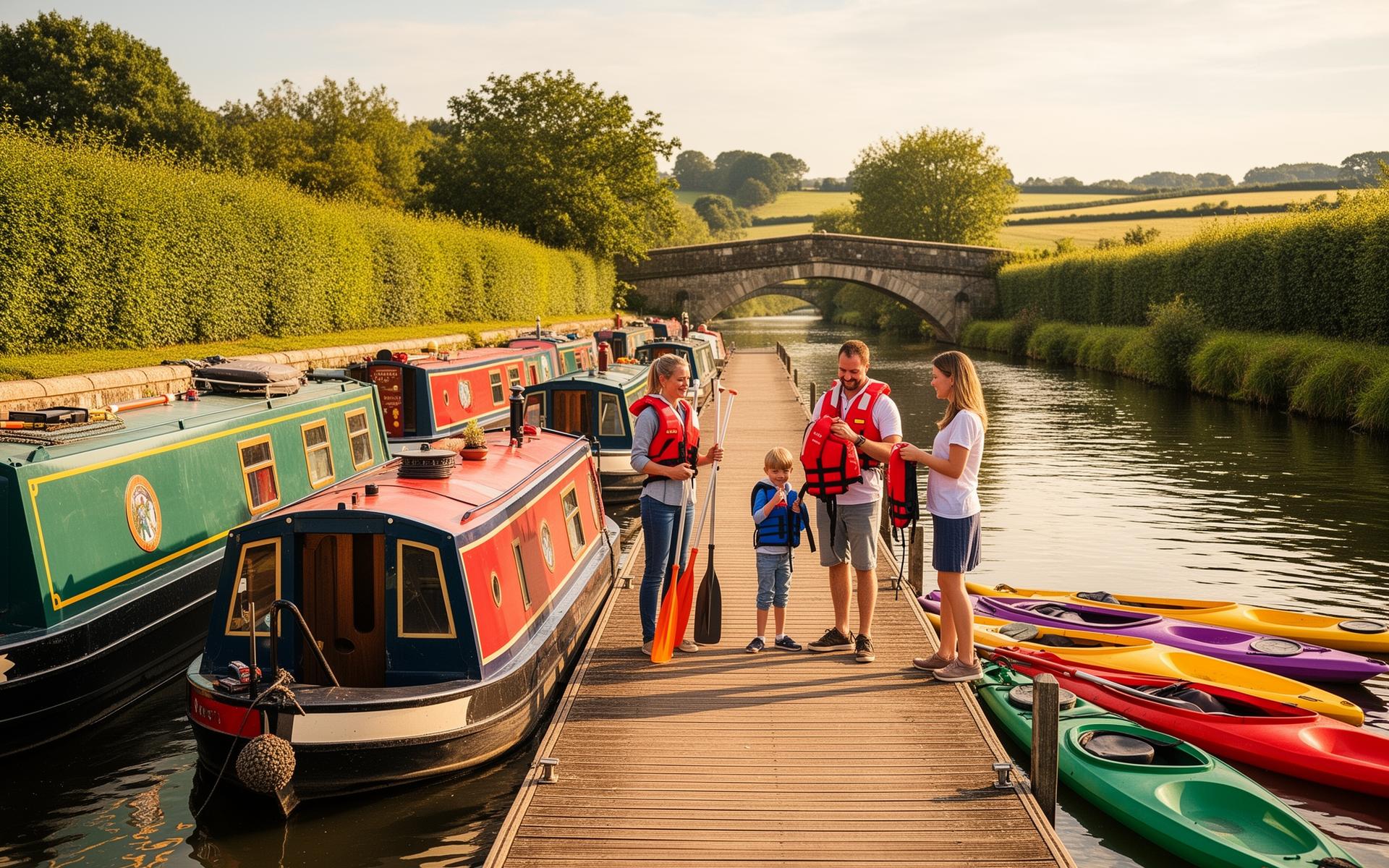
Managing a single hire point on the Thames or a lakeside jetty in the Lake District is challenging enough. But when your operations expand across multiple sites—perhaps a fleet of day boats on the Norfolk Broads, rowing boats in a city park, and a fleet of kayaks at a coastal estuary—the complexity of inventory management grows exponentially. Without the right systems, you face double bookings, staff confusion, and missed revenue opportunities.
Effective multi-location boat hire inventory management in the UK requires more than just a spreadsheet; it demands a real-time, synchronised view of every asset you own. From ensuring the right number of life jackets are at the right pontoon to managing seasonal fleet migrations, UK operators need a reliable fleet management boat hire strategy that bridges the geographical gap between sites.
The Challenges of Multi-Site Boat Hire Operations
Expanding to a second or third location is a hallmark of success for UK hire operators. However, it introduces logistical hurdles that can quickly erode your profit margins if not managed correctly. Unlike a stationary retail business, boat hire inventory is fluid. Boats may need to be moved for maintenance, or higher demand at one site might necessitate transferring assets from a quieter location.
Inventory Visibility and Overselling
One of the biggest risks in multi-location management is the lack of a 'single source of truth.' If Location A takes a telephone booking for a 12-seater electric launch, but that boat was moved to Location B for a corporate event the previous evening, you face a customer service nightmare. Real-time synchronisation ensures that as soon as a boat is booked or marked out of service at one site, the availability is updated across the entire network and your online booking engine.
Resource Allocation: The 'Equipment Tug-of-War'
It isn't just the boats you have to manage. Ancillary equipment—buoyancy aids, paddles, dry bags, and safety kits—often migrates between sites. Without digital tracking, you may find yourself with a surplus of XL life jackets in Cornwall while your Devon site is turning away customers because they've run out of child sizes. Tracking inventory levels by location is vital for maintaining operational efficiency.
Centralising Your Inventory Control
To run a profitable multi-site operation, you must move away from 'siloed' management. Each location should operate as part of a cohesive whole. Centralising your inventory doesn't mean removing local autonomy; it means giving head office (or the business owner) a bird's-eye view of performance and asset health.
Real-Time Fleet Distribution
A modern boat hire booking system allows you to define 'Home Bases' for your vessels while retaining the flexibility to reassign them. This is particularly useful for UK operators who deal with tidal shifts or seasonal flooding. If the River Severn is in flood, being able to quickly 'disable' inventory at one site while offering 'overflow' availability at a nearby canal location can save your weekend revenue.
Shared Customer Databases
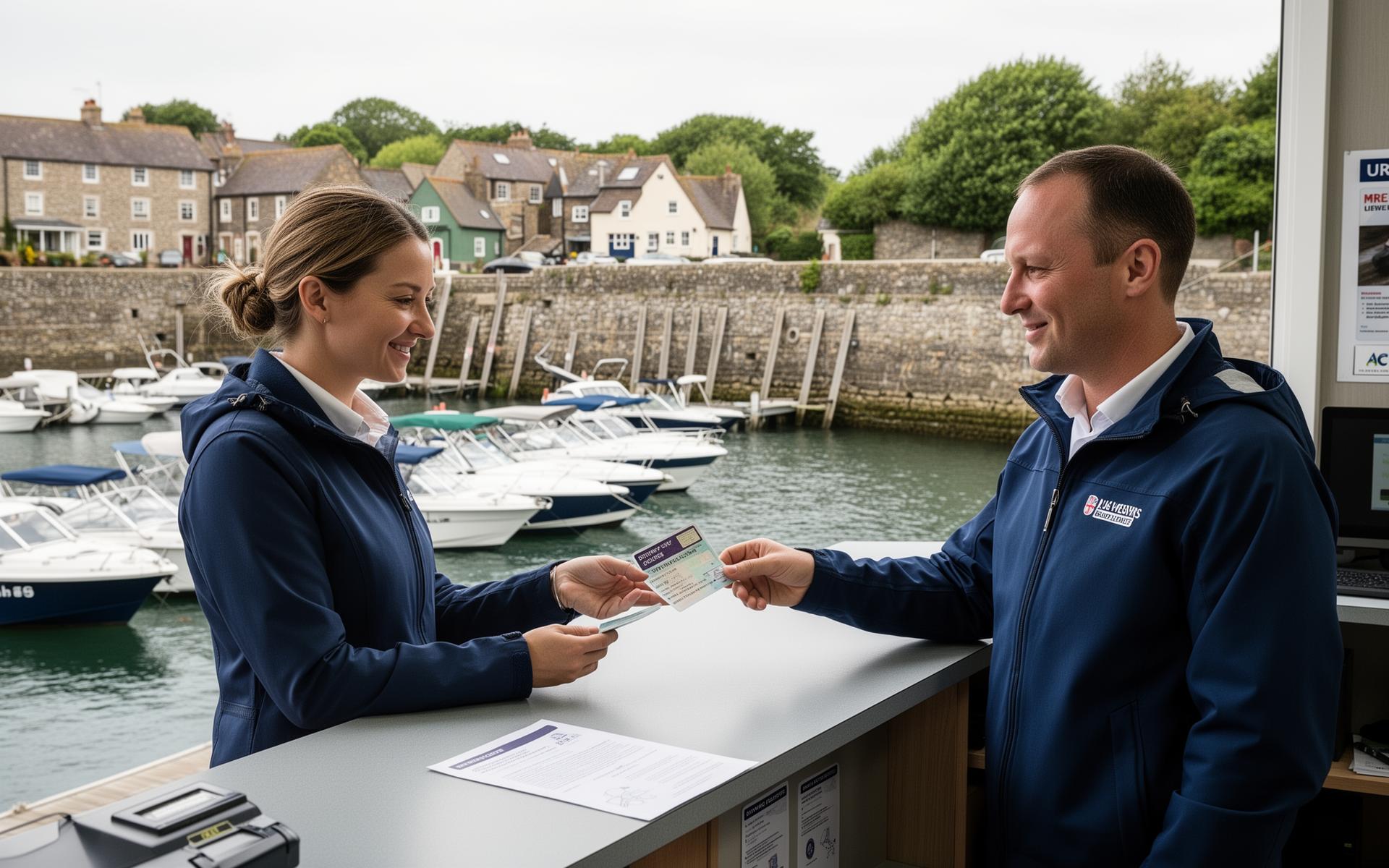
When a customer hires a self-drive motorboat at your Stratford-upon-Avon site, their data, digital waivers boat hire, and safety briefing records should be accessible if they visit your Warwick location a month later. Centralised inventory management should always be paired with a centralised CRM to provide a direct 'pro' experience for returning visitors.
Managing Maintenance and Compliance Across Sites
In the UK, compliance with the Hire Boat Code compliance software for UK operators and MCA regulations is non-negotiable. When your fleet is spread across multiple counties, keeping track of BSS (Boat Safety Scheme) certificates, engine service intervals, and hull inspections becomes a significant administrative burden.
Digital Maintenance Logs
Each boat in your inventory should have a digital 'passport'. When a skipper at Location A notices a fraying mooring line or a temperamental bilge pump, they should log it immediately via a tablet. This alert is then visible to the maintenance team, regardless of which site they are currently based at. This prevents the dangerous scenario where a boat is hired out with a known fault because the message didn't travel from one site manager to another.
Asset-Specific Documents
Different locations may fall under different local authority jurisdictions or navigation authorities (e.g., Environment Agency vs. Canal & River Trust). Multi-location software allows you to store location-specific permits and insurance documents alongside the boat's inventory profile, ensuring your staff are always prepared for a spot inspection by a river bailiff or harbour master.
Optimising Staffing and Logistics
Inventory isn't just the physical boats; it's the capacity to hire them out. Multi-location management often involves shifting staff to meet demand. If your booking system shows a surge in bookings at your coastal SUP school due to a heatwave, you can proactively reallocate instructors and equipment from your inland river site.
Multi-Site Reporting
To grow, you need to know which location is your 'breadwinner' and which is underperforming. Comprehensive fleet management software boat hire provides granular reports. You might discover that while Location A has higher turnover, Location B has higher profit margins because of lower mooring fees. This data allows you to make informed decisions about where to invest in new inventory for the following season.
Handover Efficiencies
A consistent automated boat hire handover checklist software ensures that whether a customer is in the Norfolk Broads or the Lake District, the safety standard remains identical. This consistency protects your brand reputation and ensures that inventory is checked back in correctly at every site, reducing the 'unaccounted for' loss of small items like boat hooks or cushions.
Scaling Your Fleet: Adding New Sites with Ease
One of the biggest benefits of a cloud-based inventory system is the ability to 'clone' your operational setup. When you open your fourth or fifth location, you shouldn't have to start from scratch. You can simply add a new location to your PayCamp Hire dashboard, assign a portion of your existing inventory (or add new assets), and be ready to take bookings in minutes.
Dynamic Pricing Across Locations
Market conditions vary by geography. You may want to charge a premium for a weekend hire in a tourist hotspot like Bath compared to a more rural location. Your boat hire pricing strategy should be flexible enough to set location-specific rates while still being managed from a central login. This allows for 'flash sales' at specific sites to boost occupancy during quiet periods.
Managing Third-Party Inventory
Some UK operators manage 'managed fleets' where they act as the agent for private boat owners. Multi-location software allows you to segment these boats, ensuring that commission payments and maintenance costs are correctly attributed to the specific owner and location without cluttering your primary business accounts.
Key Takeaways for UK Operators
- Unify Your Data: Stop using separate spreadsheets for different sites; use one synchronised system.
- Real-Time Updates: Ensure online and offline bookings are synced to prevent double bookings across locations.
- Standardise Safety: Use digital checklists to maintain the same high standards at every jetty.
- Centralise Maintenance: Track BSS and service intervals digitally to ensure 100% compliance.
- Data-Driven Growth: Use multi-site reporting to decide where to allocate your next capital investment.
Frequently Asked Questions
Can I move a boat between locations without breaking the booking system?
Yes. With PayCamp Hire, you can reassign a boat’s 'Home Location.' The system will automatically update the availability for both the departing and receiving sites, ensuring that you can't accidentally book the boat at its old location once it has been moved.
How does multi-location management help with insurance?
Insurers love reliable data. By using a system that tracks maintenance, ID verification boat hire, and digital waivers across all sites, you provide an audit trail that demonstrates your commitment to safety. This can often lead to more favourable premiums for multi-site operators.
Can my staff see inventory for other sites?
You can set permission levels. For example, a Site Manager might only see their local inventory, while an Area Manager or Owner can see the entire fleet's status across the UK. This prevents 'too many cooks' from altering bookings while allowing for high-level oversight.
What happens if the internet goes down at one of my remote sites?
PayCamp Hire is designed to be mobile-responsive and resilient. Some operators find that 4G/5G connectivity on a tablet is more than sufficient. Because the data is stored in the cloud, even if one site loses power, the rest of your business (and your online bookings) remains live and accessible from any other device.
How much does multi-location software cost?
We believe in transparent pricing. Our plans are designed to scale with your business. Typically, you pay for the number of boats or the volume of bookings, making it affordable for a small business to grow into a multi-site enterprise without massive upfront software costs.
Conclusion
Managing multi-location boat hire inventory management in the UK is a balancing act of logistics, safety, and customer service. By moving away from fragmented manual systems and embracing a centralised, digital approach, you can reduce the 'admin drag' that holds mome businesses back. Whether you are managing five rowing boats in a park or fifty motor cruisers across three rivers, the right software provides the clarity you need to scale profitably.
Ready to simplify your multi-site operations and protect your margins? Book a free demo with PayCamp Hire today and let us show you the future of UK boat hire management.
Tags
Published by
The PayCamp Hire Team
Sharing insights on boat hire operations, fleet management, and growing water sports businesses. Have questions? We'd love to chat.