Seasonal Staff Training Management for Boat Hire: The UK Guide
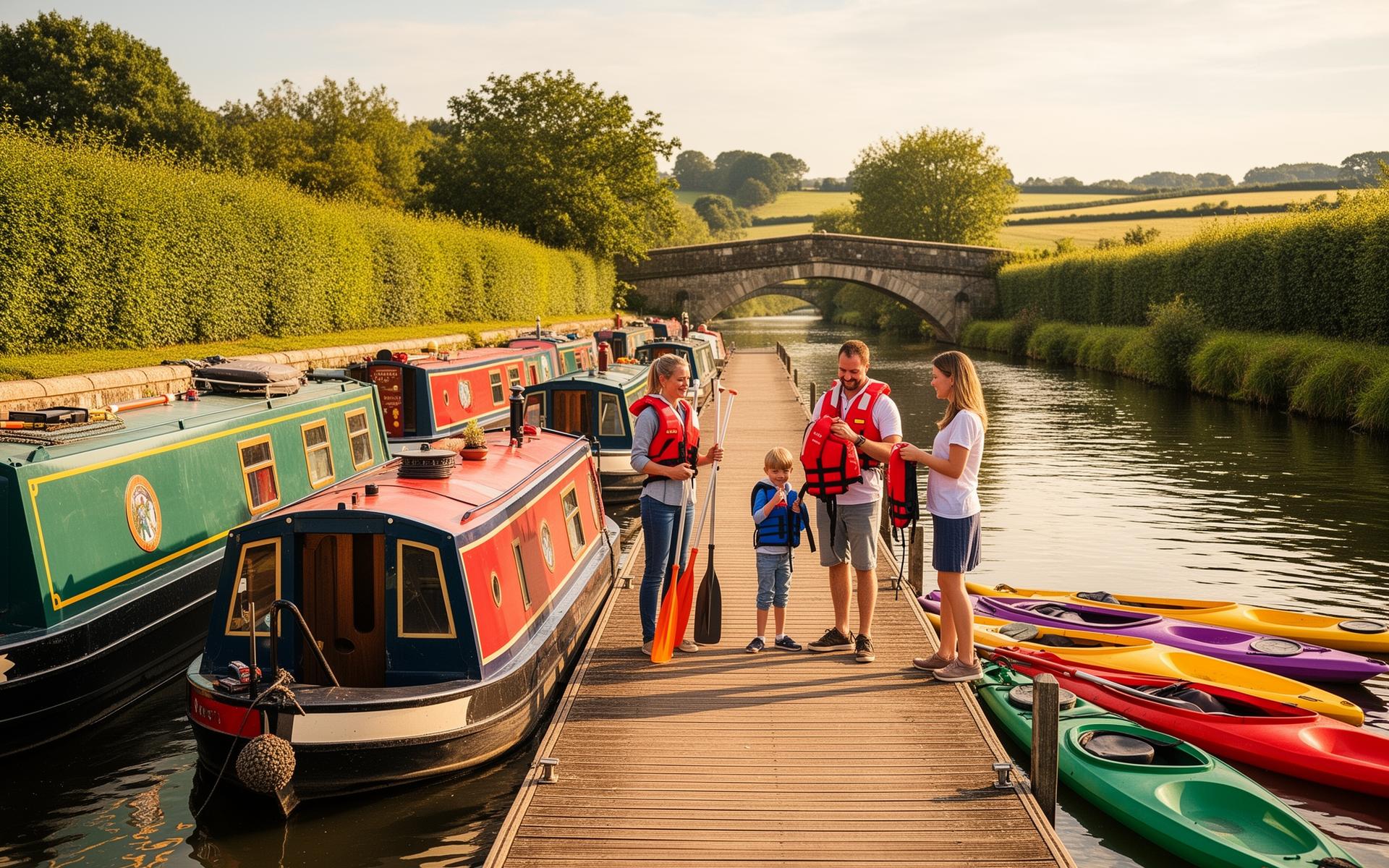
For UK boat hire operators, the arrival of spring doesn't just mean warmer weather—it marks the beginning of the frantic recruitment and onboarding cycle. Whether you operate a fleet of electric day boats on the Norfolk Broads, luxury narrowboats on the Grand Union Canal, or a busy SUP and kayak hub on the South Coast, your success hinges on your seasonal team.
Effective seasonal staff training management for boat hire is often the difference between a smooth-running quay and an operational nightmare. With high staff turnover being a natural part of the seasonal industry, operators must move away from informal 'shadowing' and towards a structured, digital-first approach to training, compliance, and safety management.
The Critical Role of Training in Boat Hire Operations
In the UK marine industry, the stakes for staff training are exceptionally high. Unlike a standard retail or hospitality role, seasonal boat hire staff are responsible for multimillion-pound assets, the safety of the general public, and strict adherence to Canal & River Trust (CRT) or Environment Agency (EA) regulations.
Without a reliable system for seasonal staff training management for boat hire, businesses face several risks:
- Safety Lapses: Inadequate training on lifejackets, kill cords, or emergency recovery procedures.
- Compliance Breaches: Failure to document that staff have read the Safety Management System (SMS) or Handover Protocols.
- Operational Inefficiency: Slow turnarounds during peak hours because staff aren't confident in mooring or cleaning procedures.
- Poor Customer Experience: Unclear safety briefings given to hirers, leading to confusion on the water.
Moving Beyond the Paper Trail
Many UK operators still rely on a dusty ring-binder in the office to track who has been trained on what. Not only is this difficult to audit, but it also makes it impossible to ensure every new starter has completed every module before their first solo shift.
Structuring Your Seasonal Onboarding Workflow
To manage seasonal staff effectively, you need a workflow that begins the moment a contract is signed. By the time a seasonal worker steps onto the pontoon, they should already be familiar with your company's core safety values.
Phase 1: Pre-Arrival Digital Induction
Using fleet management software boat hire, you can send digital training packs to staff before their start date. This might include:
- Links to video tutorials on engine checks.
- Digital copies of the Small Passenger Craft Code (if applicable).
- Company policies on alcohol and drug use around water.
Phase 2: On-Site Competency Sign-Off
The most critical part of seasonal staff training management for boat hire is the practical sign-off. Senior skippers or managers should use a digital checklist to verify that the new hire can:
- Demonstrate a 'Man Overboard' recovery.
- Explain the 'Rules of the Road' for their specific waterway.
- Perform a full pre-departure safety briefing for a customer.
Navigating UK Compliance and SMS Requirements
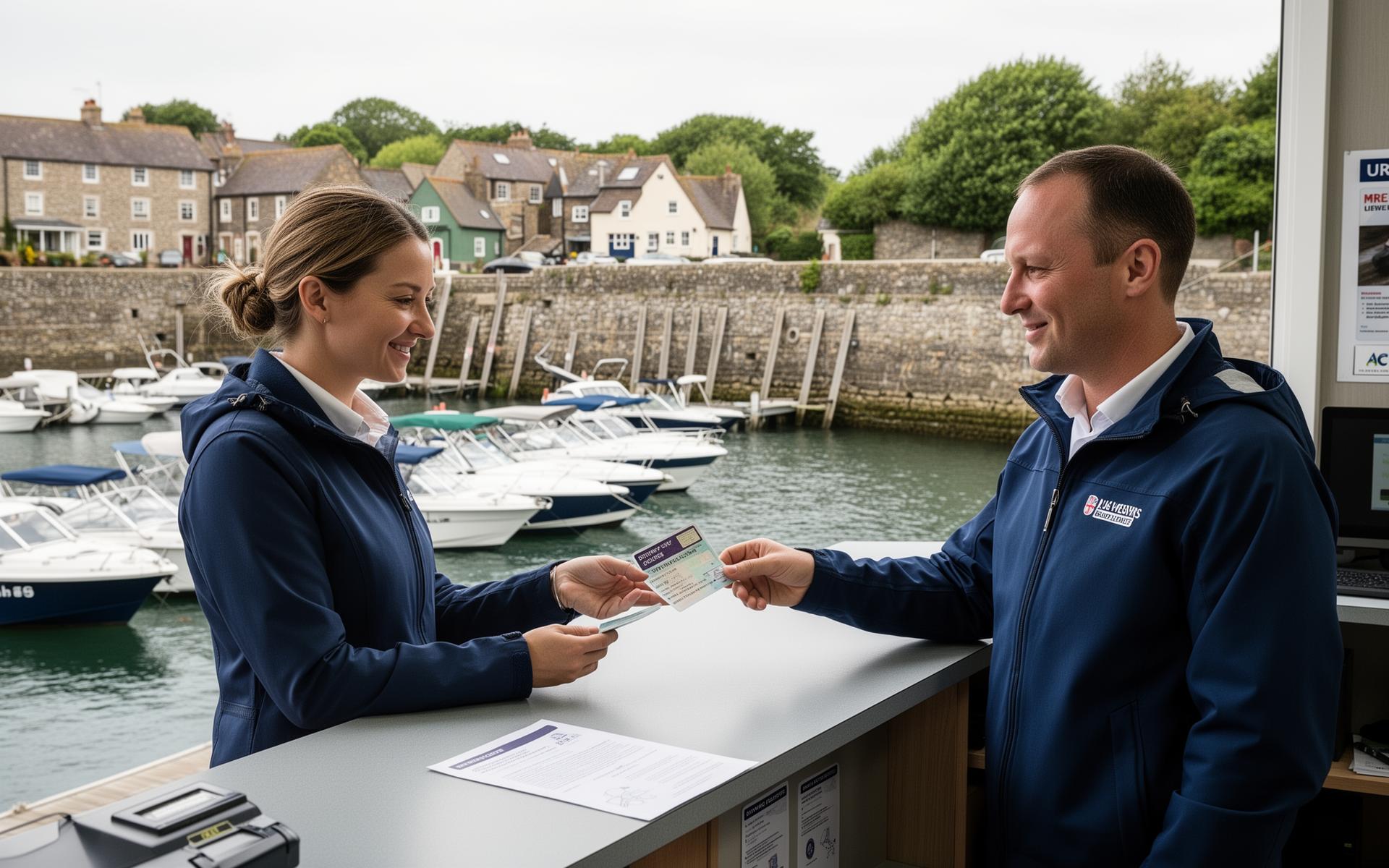
Every UK hire boat operator must maintain a Safety Management System (SMS). A key component of this is proving that your staff are competent. If the Maritime & Coastguard Agency (MCA) or a local authority inspector visits your site, they won't just want to see your boats; they'll want to see your training records.
Digital SOPs and Training Logs
By integrating your training records into your UK inland waterways hire operator compliance software, you create a permanent, timestamped audit trail. When a staff member completes a module—such as learning how to refuel safely or how to manage a narrowboat through a lock—they sign off digitally.
The Importance of 'Toolbox Talks'
Training isn't a one-time event. Mid-season fatigue can lead to complacency. Effective seasonal staff training management for boat hire includes regular "Toolbox Talks." These are short, 10-minute refreshers on topics like heatstroke prevention for staff or handling difficult customers. Digital systems allow you to log these sessions instantly, ensuring 100% compliance across the team.
Enhancing Customer Safety Through Staff Excellence
Your staff are the primary educators for your customers. If your staff training is weak, your customer briefings will be weak. This leads to more grounded boats, tangled propellers, and insurance claims.
Standardising the Safety Briefing
A core part of staff training should be the delivery of the safety briefing. In many cases, it is helpful to provide staff with a digital script or a checklist on a tablet that they must follow while briefing the customer. This ensures that every customer, whether they are hiring a luxury cruiser or a simple rowboat, receives the same high standard of safety information.
Identifying 'Training Gaps' with Feedback
If you notice a spike in propeller damage on a specific boat type, your booking system analytics might reveal that it coincides with a specific group of seasonal staff who were all trained in the same week. This allows you to identify a "training gap" and provide remedial coaching to those specific team members.
Using Technology for Multi-Site Management
For larger UK operators with multiple locations (e.g., several bases along the Thames or a network of coastal SUP hubs), managing training becomes exponentially harder. How do you know the staff in Site B are being trained to the same standard as Site A?
Centralised boat hire management software UK provides a single "source of truth." A manager in the head office can see a dashboard showing the training status of every seasonal employee across the entire country.
Automated Expiry Alerts
Some certifications, such as First Aid at Sea or RYA Powerboat Level 2, have expiry dates. A specialist system will alert you 30 days before a staff member's qualification expires, ensuring you are never operating without a legally required certified person on-site.
Reducing Turnover with Professional Training
Seasonal staff are more likely to stay for the full season—and return the following year—if they feel supported and professionalised. By providing a structured onboarding process with clear digital modules, you show your team that you value their role and their safety.
Creating a Path for Growth
Even for a summer job, staff appreciate knowing how they can progress. Use your training management system to track "levels" of competency. A staff member who starts as a deckhand can see the exact training modules required to become a lead dispatcher or a seasonal skipper. This clarity reduces friction and builds loyalty.
Key Takeaways for UK Operators
- Digitise Early: Move training manuals and SMS documents to a digital platform before the season starts.
- Standardise Briefings: Use digital checklists to ensure Every staff member delivers a 5-star safety briefing.
- Audit Trail: Maintain timestamped records of all staff competencies to satisfy MCA and local authority requirements.
- Monitor Trends: Use operational data to identify when and where staff need refresher training.
- Retain Talent: Use professional training structures to improve staff morale and season-to-season retention.
Conclusion: Investing in Your Best Asset
While boats and equipment are the most visible parts of your business, your seasonal staff are the engine that drives it. Focusing on seasonal staff training management for boat hire isn't just a matter of compliance; it's a strategic investment in your brand's reputation and your bottom line.
By replacing fragmented, paper-heavy processes with a simpler digital solution, you free your managers to focus on what matters: delivering an incredible experience on the water.
Ready to professionalise your team management? At PayCamp Hire, we build the tools that help UK boat hire businesses scale safely and efficiently. From pricing management to complex staff workflows, we've got you covered.
Contact our team today or book a demo to see how we can transform your seasonal operations.
Frequently Asked Questions
1. What are the legal requirements for training seasonal staff on UK inland waterways?
Under the Inland Waters Small Passenger Boat Code and various local authority bylaws, operators must ensure that all persons employed have received adequate training and instruction. This includes knowledge of the Safety Management System (SMS), emergency procedures, and the specific handling characteristics of the craft in the fleet.
2. How can I track if a staff member has actually read the safety manual?
Using a digital platform like PayCamp Hire, you can upload your safety manual and require a digital signature from the staff member. The system logs the date and time of the signature, providing a reliable audit trail that is far more reliable than a verbal confirmation or a signed piece of paper that could be lost.
3. Can I use the same training system for both kayak guides and boat skippers?
Yes. A flexible management system allows you to create different "training tracks" for different roles. You can set mandatory modules for all staff (e.g., First Aid, GDPR) while having specialised modules for powerboat skippers that aren't required for your SUP instructors.
4. How does digital training impact my insurance premiums?
While every insurer is different, many UK marine insurance brokers view digital record-keeping and structured training management favourably. It demonstrates a proactive approach to risk management, which can assist in negotiating better terms or reducing the likelihood of claims being denied due to "human error."
5. What is the best way to handle staff training during a busy mid-season hire period?
This is where "micro-learning" shines. Instead of long classroom sessions, use your management software to push short, 2-minute video refreshers or digital quizzes to staff phones during down-periods/changeovers. This keeps safety top-of-mind without disrupting the flow of the busiest days.
Tags
Published by
The PayCamp Hire Team
Sharing insights on boat hire operations, fleet management, and growing water sports businesses. Have questions? We'd love to chat.